
Leak Testing
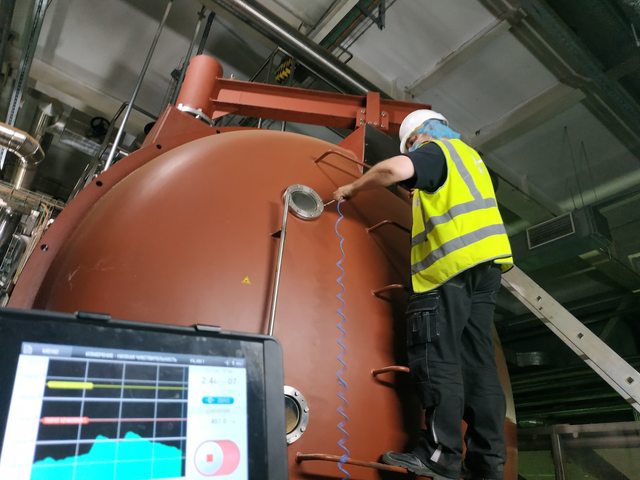
A defined cavity is pressurised with clean, dry air, isolated from the supply and monitored after thermal stabilisation.
Select the test by object, method and applicable technical document, then define acceptance and verification conditions.
An evacuated object or a selected region is enclosed in a controlled tracer-gas atmosphere for an integral leak measurement.
Chamber testing evaluates total leakage using helium mass-spectrometer detection and a defined preparation and measurement cycle.
Tracer gas is introduced inside the object and a sampling probe surveys external joints and surfaces.
The evacuated object is connected to a mass-spectrometer detector while external seams and joints are exposed to helium.
The test programme considers packaging material, closure, contents, allowable pressure difference and the required condition after testing.
Reference-leak calibration, instrument verification and a working sensitivity check are distinct tasks.
An object-specific programme connects the customer’s requirement with a measurable result and a defined acceptance decision.
Valve-seat leakage is assessed separately from external leakage of the body, joints and stem seal.
Choose vacuum or sniffer arrangements according to the object and whether the task is local leak location or integral measurement.
An evacuated object is exposed externally to tracer gas, and gas entering its internal volume is detected.

This service page outlines a project-based approach to Helium Leak Testing to OST 92-1527-89. The exact scope, method, acceptance criteria, documentation, schedule, and destination-country requirements are confirmed during technical review.
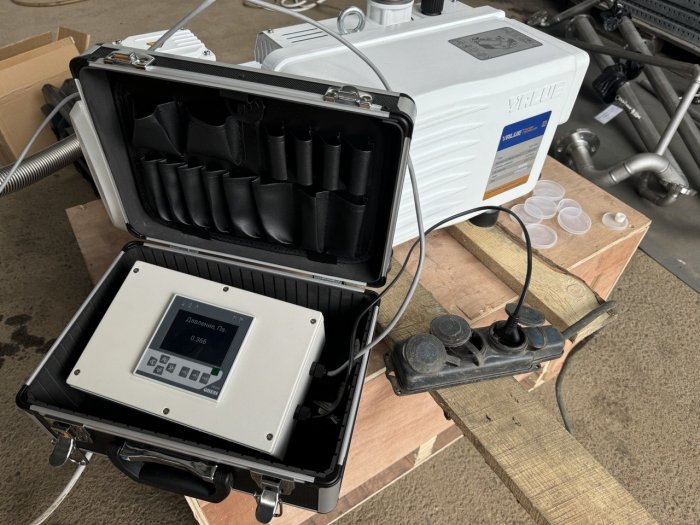
This service page outlines a project-based approach to Leak Testing to GOST 24054-80. The exact scope, method, acceptance criteria, documentation, schedule, and destination-country requirements are confirmed during technical review.

This service page outlines a project-based approach to Leak Testing to NP-105-18. The exact scope, method, acceptance criteria, documentation, schedule, and destination-country requirements are confirmed during technical review.
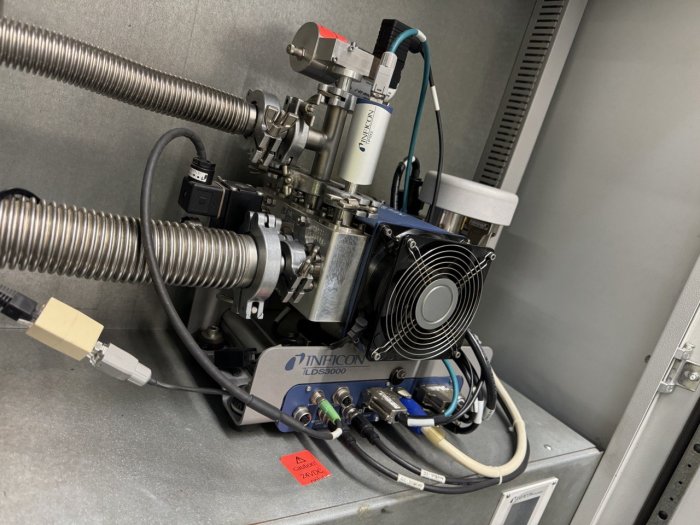
This service page outlines a project-based approach to Leak Testing for Rosatom Projects to NP-089-15. The exact scope, method, acceptance criteria, documentation, schedule, and destination-country requirements are confirmed during technical review.
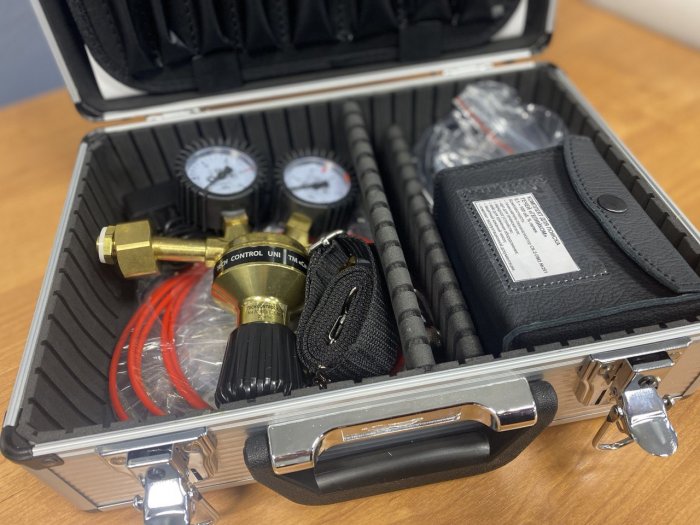
This service page outlines a project-based approach to Container Leak Testing to GOST R 51827-2001. The exact scope, method, acceptance criteria, documentation, schedule, and destination-country requirements are confirmed during technical review.

This service page outlines a project-based approach to Leak-Tightness Testing to NP-089-14. The exact scope, method, acceptance criteria, documentation, schedule, and destination-country requirements are confirmed during technical review.

This service page outlines a project-based approach to Pipeline-Valve Leak Testing to GOST 9544-2005. The exact scope, method, acceptance criteria, documentation, schedule, and destination-country requirements are confirmed during technical review.
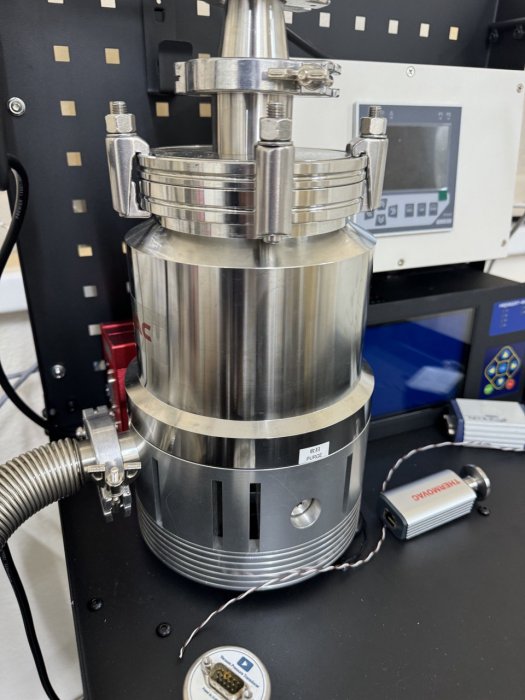
This service page outlines a project-based approach to Leak Testing of GRP Pipes and Fittings to GOST R 55070-2012. The exact scope, method, acceptance criteria, documentation, schedule, and destination-country requirements are confirmed during technical review.
Choose the test method for your object
Local methods locate a leak; integral methods assess the combined leakage of a defined boundary. Selection depends on construction, allowable pressure and vacuum, required sensitivity and access.
Current testing directions
- Air pressure-decay testing of tanks and vessels
- Leak testing under GOST, OST, ISO and ASTM
- Helium hood leak testing under ASTM E1603/E1603M
- Chamber leak testing under ASTM E493/E493M
- Helium sniffer testing under ASTM E499/E499M
- Helium spray testing under ASTM E498/E498M
- Packaging leak testing under GOST 34760-2021
- Leak-test metrology: ISO 20486 and ISO 3530
- Developing helium and vacuum test programmes
- Valve-seat leak tightness under GOST 9544-2015
- Tracer-gas leak testing under ISO 20485
- Vacuum leak testing under GOST R 53177-2008
From requirement to report
A test programme defines the boundary, medium, pressure difference, fixture, preparation, background, response time and acceptance criterion. Pressure-decay work also requires assessment of thermal stabilisation and volume deformation. Before a series, verify the connected system with an appropriate reference response.
LeakLab’s scope includes test-object preparation, leak location, detector maintenance, development of methods and work instructions, and reporting against agreed requirements. Work may be performed at the laboratory or customer site according to the project.